Dishwashers
How to Clean the Dishwasher and Improve Its Efficiency: A Step-by-Step Guide
By Romano's Appliance Repair March 26, 2025 5 min read
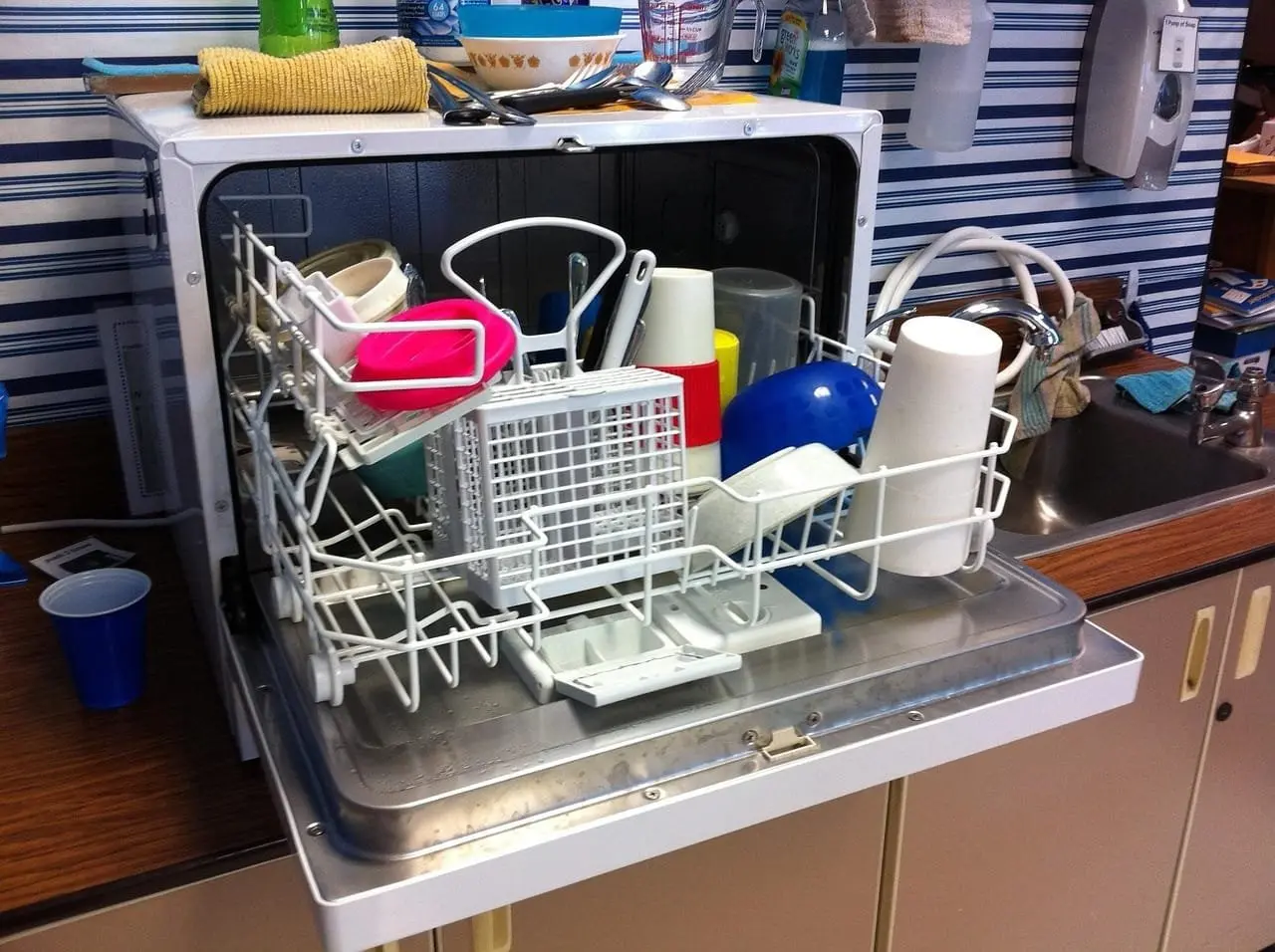
Stock photo.
Do you need to clean your dishwasher? The short answer is yes. Your dishwasher works hard to keep your dishes clean, but without regular maintenance, grease, food particles, and mineral buildup can reduce its efficiency. Plus, a dirty dishwasher can become a breeding ground for bacteria and mold.
Here’s a detailed guide on how to clean the dishwasher, featuring expert advice to keep your machine in top shape.
How often to clean your dishwasher
Consistency is key when it comes to maintaining a clean dishwasher. Different parts of your dishwasher require attention at varying intervals to prevent grime buildup, improve efficiency, and extend its lifespan. Wiping door seals and removing food debris should be done daily, while tasks like running a vinegar cycle or scrubbing spray arms can be done less often. Here’s a simple schedule to help keep your dishwasher in top condition:
Step 1: Clean the filter regularly
The filter is the heart of your dishwasher. Over time, food particles and grease can clog the filter, reducing efficiency.
For a clean and efficient dishwasher, remove and clean the filter monthly to prevent buildup, and check your rinse aid levels. Too much can leave a greasy film, while too little can cause spots.
Regularly clean the filter and spray arms to prevent buildup. Run a cycle with vinegar once a month to remove grease and odors, and ensure the door gasket stays clean to prevent leaks.
Maintaining a dishwasher is as simple as cleaning the filters when necessary and checking for obstructions in the spray arm nozzles. Today’s dishwashers utilize two types of filtration: self-cleaning filters and manual cleaning filters. Consumers with removable manual filters need to clean them every 30 days, as per manufacturer recommendations, while self-cleaning filters rely on the pump during regular cycles.
Many dishwasher models allow you to detach and remove the filter. If so, rinse it under running water, using a long-bristled brush for a more thorough clean.The dirt is hard to remove, soak the filter in warm water for 30 minutes before scrubbing with the brush.
If your dishwasher has a removable filter, rinse it under running water and use a brush to scrub away stubborn debris. For non-removable filters, follow the manufacturer’s guidelines.
Step 2: Use vinegar to break down grease and limescale
White vinegar is a natural and effective way to dissolve grease, mineral deposits, and odors.
West Palm Beach, FL-based Romano’s Appliance Repair suggests, “Run an empty hot water cycle with a cup of white vinegar. This simple routine clears out grease and mineral buildup, keeping the dishwasher running efficiently.”
For hard water issues, try adding a cup of white vinegar to your Glassware wash cycle. It’ll help dissolve that scale and keep your dishes and glassware sparkling clean.
Step 3: Brighten and deodorize with baking soda
Baking soda is another powerhouse when it comes to deodorizing and removing stains.
Baking soda will remove any odors in the dishwasher and also brighten the stainless steel. Run the dishwasher on a hot-water express wash cycle. When you’re done, the interior of your dishwasher will shine and smell like it’s a new machine.
If you want optimal results, sprinkle a cup of baking soda at the bottom of the dishwasher and run a short, hot cycle.
Step 4: Clean the door seals, spray arms, and drain
Food particles and grime can build up around the door seals and spray arms, reducing water flow and causing unpleasant odors.
For stubborn grime, gently scrub the filter, seals, and corners with a soft-bristled brush that won’t scratch delicate surfaces.
Step 5: Descale with citric acid
For deeper cleaning and descaling, citric acid is a powerful and eco-friendly solution.
Citric acid is one of the most effective compounds when it comes to cleaning a dishwasher and removing mineral deposits. Add 3-4 tablespoons of citric acid to the detergent dispenser and run a normal cycle without dishes.
To keep your dishwasher running efficiently, use a citric acid cleaner to remove buildup and descale the system. Another cleaning habit you should follow is to clean the filter regularly and ensure the drain hose slopes properly to prevent water from pooling.
Step 6: Use eco-friendly cleaners
Harsh chemicals can harm aquatic life and degrade your dishwasher. To avoid this, learn how to green clean and opt for natural cleaning solutions.
Harsh chemicals in conventional dishwashing cleaners harm our water and aquatic life. For an eco-friendlier way to maintain your dishwasher, clean with natural ingredients like white vinegar. Finally, lemons are your cleaning friends; they’re mildly acidic and naturally deodorizing.
A poorly maintained dishwasher can waste energy and water, pollute with chemicals, and contribute to e-waste by needing early replacement. Sustainable cleaning cuts waste, saves resources, extends appliance life, and supports zero-waste living.
Commonly asked questions about how to clean the dishwasher
1. Can I use a commercial cleaner?
Use the manufacturer’s recommended cleaner. Make sure the cleaner is introduced during the wash cycle. Pause the unit at the end of the wash cycle and let the cleaner soak.
2. Is it necessary to run a vinegar cycle?
To keep your dishwasher running efficiently, clean the filter monthly to prevent food debris buildup. Run a cycle with white vinegar on the top rack to remove grease and limescale, then a baking soda cycle to neutralize odors and brighten your dishwasher.
3. What should I do if my dishwasher smells bad?
A good habit: “Keep your dishwasher fresh, run a cleaning cycle with a cup of white vinegar on the top rack and place a fresh lemon cut in half on the bottom rack. Leave the door slightly ajar after each use to allow air circulation and reduce moisture, helping prevent mildew.”
4. Should I use bleach to clean my dishwasher?
It’s best to avoid using bleach or other harsh chemicals to clean your dishwasher. Instead, opt for natural cleaning products like vinegar or citric acid, which effectively break down buildup without causing harm to the appliance.
It’s important to avoid using overly aggressive or abrasive cleaning products containing sodium hypochlorite, such as bleach, as they can damage the dishwasher.
5. How do I prevent mold and mildew?
Keep your dishwasher in top condition by wiping down the door seals using a damp cloth and a mild dishwasher cleaning agent to prevent mold buildup. Leave the door slightly open afterward to improve air circulation and prevent mildew.
How to clean the dishwasher
A dishwasher might be one of the household appliances you’re not cleaning but should be because it extends the lifespan of your appliance. With a combination of natural cleaning products and proper filter maintenance, your dishwasher will continue running smoothly for years. By following these tips, you’ll know exactly how to clean the dishwasher and keep it looking and smelling fresh.
Need it fixed instead?
Same-day and next-day appliance repair across Palm Beach County, with the price before any work starts.